Home / Night landings / Landing surfaces
Grass, hardcore, concrete, asphalt, mats and portable pads: what the guidance says about loading, loose objects, markings and drainage.
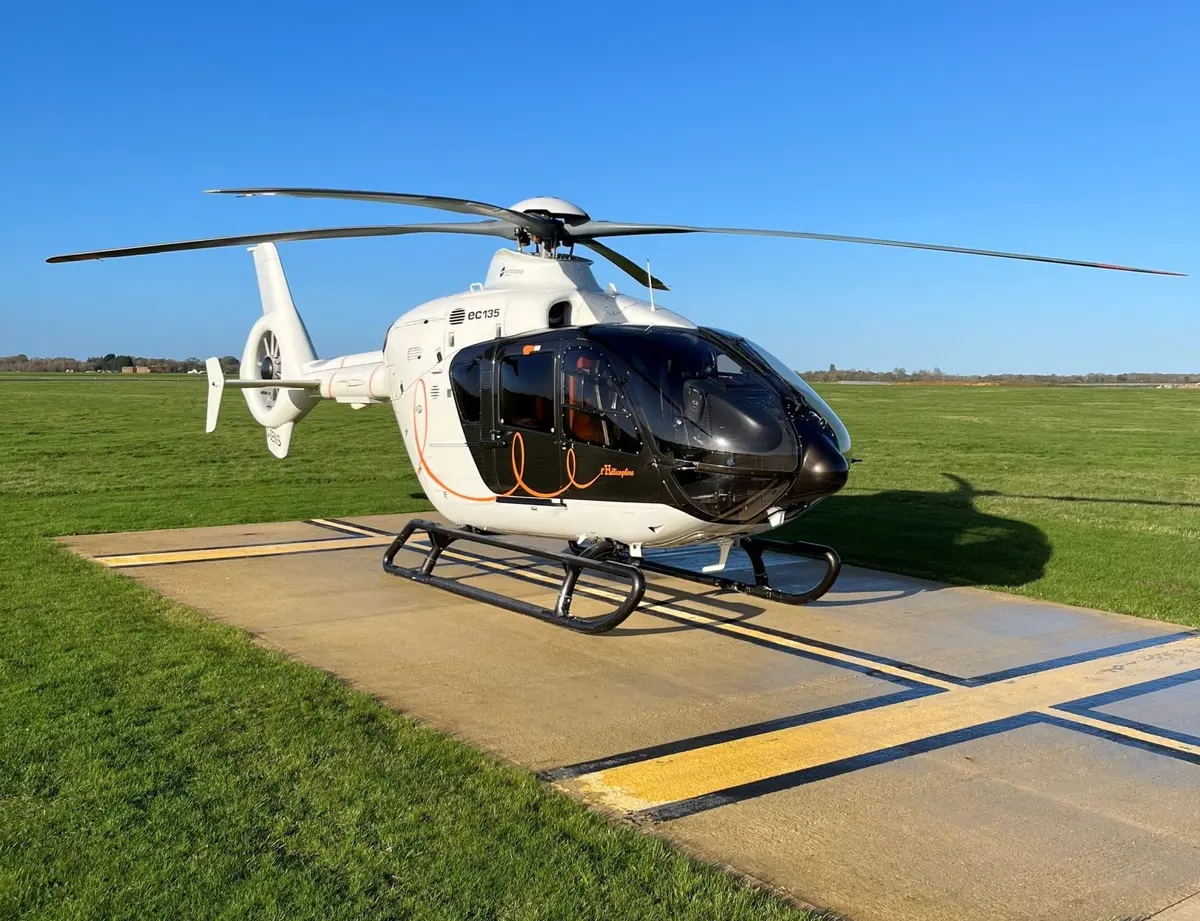
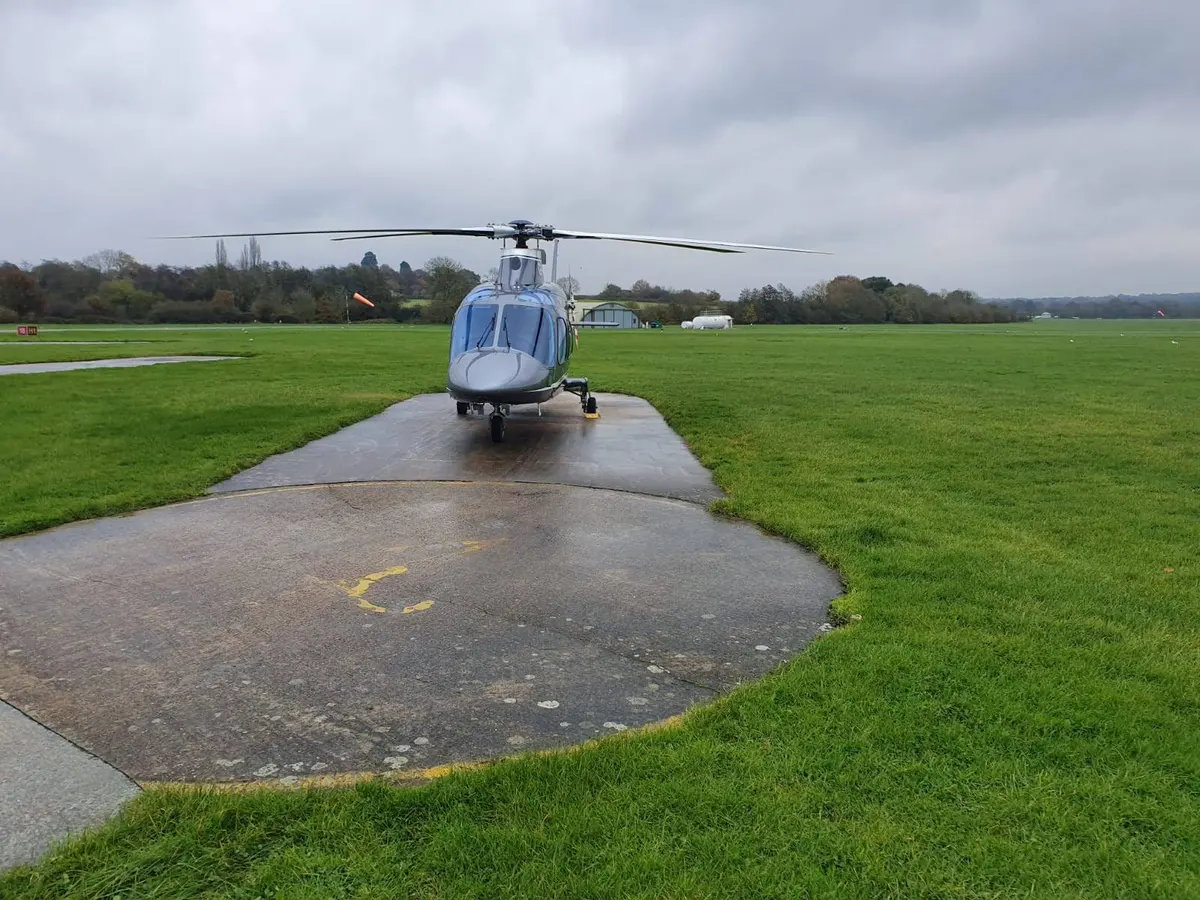
| Surface | What to think about | Official figure? |
|---|---|---|
| Grass | Soft, wet or uneven ground; long grass hiding hazards; dry grass blown about by downwash; livestock and wildlife. | None found Verify |
| Hardcore and gravel | Loose stones can be thrown by downwash and damage people, vehicles or the helicopter. Keep the surface free of loose debris (the principle in CAP 3043 3.5). | None found Verify |
| Concrete and asphalt | Best for repeated use. Wet, oil, ice or snow make them slippery. Needs drainage. | For hospital pads: friction at least 0.60 in the touchdown circle and 0.5 outside, non-slip finish, fall of about 1 in 100 (CAP 1264 3.37 to 3.40) |
| Mats and portable pads | Downwash can move or lift them; they can shift under a helicopter. They can also spread the load. | CAP 1264 8.6: matting is only a temporary solution; if used, anchor it and limit helicopter size. Nothing for private sites Verify |
For hospital heliports the CAA says the load-bearing capacity is set by the maximum take-off mass (MTOM) of the heaviest helicopter intended to use the pad, and built pads are checked for an emergency landing impact load of 2.5 times MTOM (CAP 1264, chapter 3). Read in the source That is for built, raised structures; a private pad on the ground follows whatever the operator and site survey say. See the MTOM of each type on the helicopter pages.
Yes, many private sites are grass. CAP 3043 asks the pilot to check on arrival that the surface is satisfactory, free of damaging debris and able to support a safe forced landing. We found no official figure for grass strength, length or dryness. Verify
For hospital heliports the CAA says the load-bearing capacity is set by the maximum take-off mass of the heaviest helicopter intended to use it (CAP 1264, 3.1). For a private site the operator decides. Our helicopter pages list the maximum take-off mass of each type.
We found no official specification for them for private sites. CAP 1264 (8.6) calls matting only a temporary solution and records a case of matting being moved by downwash; if used it should be anchored, and the size of helicopter limited.
CAP 168 describes a white H for heliports. CAP 1264 describes a white perimeter line at least 30 cm wide and a maximum-mass marking in tonnes, for example 8.6t. These are hospital and licensed-heliport rules and not mandatory for a private site.
Where a line is tagged Verify we could not read the primary text, or the source does not state it. Treat it as unconfirmed until you have checked.